
The textile industry has always been present in people’s lifes, going back to history, human beings have created garments to protect themselves from climatic variations, which has evolved over time to the present, but this sector has also caused great damage to the environment for a long time, the main environmental impacts related to this industry have to do with the wastewater that it generates, and the chemical load that it contains. Other important problems are the consumption of water and energy, bad smells, solid waste, noise and the generation of atmospheric emissions. Did you know that the textile industry has a very high water consumption in all its processes: sizing, desizing, mercerization, cleaning, discoloration, printing and finishing.
What is virtual water and how does the textile industry influence it?
“Virtual water” is water that cannot be used for anything else due to evaporation or contamination. The type and amount of pollutants generated depend on a wide range of variables, including the type of facility, as well as the technologies, processes, fibers and chemicals used by the textile industry.
Generally, contaminants found in textile effluents include the following:
Concentrations of non-biodegradable organic or inorganic compounds such as metals, dyes, phenols, pesticides, phosphates, and surfactants.
High concentrations of total suspended solids (TSS)
High biological oxygen demand (BOD).
High Chemical Oxygen Demand (COD)
High levels of total dissolved solids (TDS).
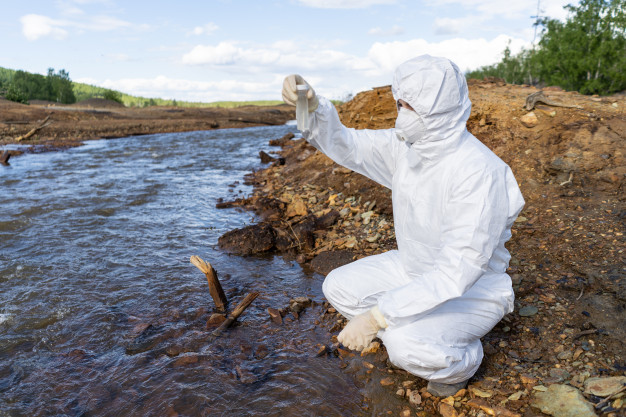
Effluent from textiles can dramatically deplete oxygen in bodies of water by blocking light, thereby promoting septic conditions that can cause human disease and fish kills. High levels of TDS can increase salinity and alter the pH balance of surface water bodies. Other dyeing chemicals like phenol can cause an unpleasant odor and taste.
In textile processing, virtual water evaporates or becomes too polluted for human use. In India, for example, producing a kilo of cotton requires an average of 22,500 L (approximately 6,000 gallons) of water, but these large water requirements to produce fibers are often neglected when calculating the water footprint of textile processing.
That is why the textile industry is taking significant steps toward sustainability as it faces rising water costs, as well as regulatory pressures, demand from other industries, and populations.
As the industry moves towards sustainability, decentralized water reuse has the potential to reduce the cost of virtual water.
It is important to highlight the impulse of companies in the Peruvian textile sector that have among their pillars contributing to promote the movement towards water sustainability.